
The U.S. Market: Opportunity and Challenge
Understanding what it takes for Asia-Pacific companies to succeed in America’s complex but rewarding market.
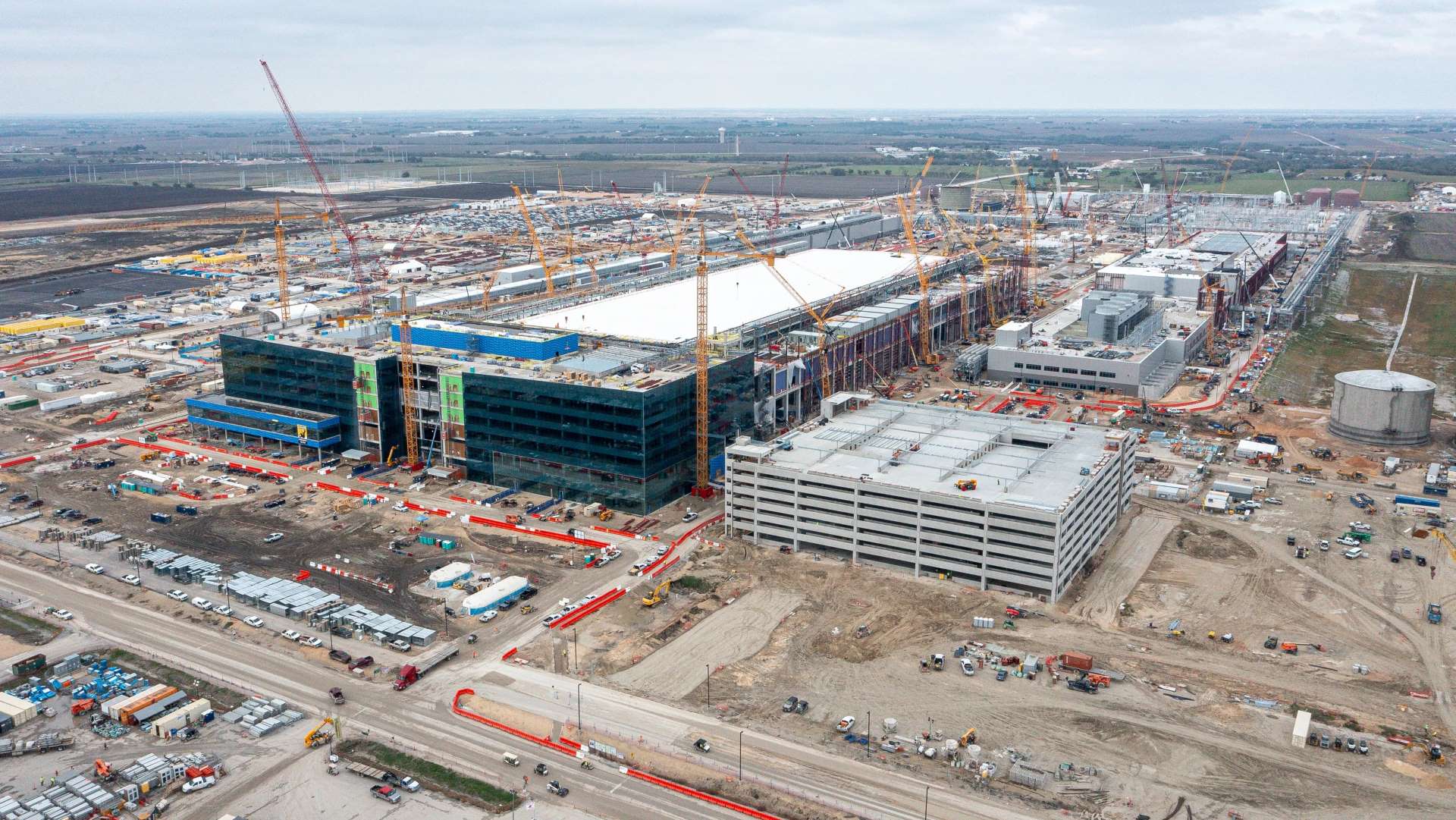
Asia-Pacific Companies Are Building America’s Next Industrial Base
The United States is in the middle of a manufacturing renaissance, and Asia-Pacific companies are at the center of it. Korean semiconductor and EV battery investments alone exceed $100 billion in committed U.S. projects. Japanese and Taiwanese suppliers are following their customers into new American factories.
But the companies making headlines are conglomerates with armies of lawyers, lobbyists, and government liaisons. For mid-market Asia-Pacific B2B companies — the ones supplying critical components, specialty materials, and industrial technology — the path into this market is far less clear.
See the Market Landscapefor faster delivery
by new tariffs
their supply chains
dual-sourcing suppliers
What American Buyers Are Looking For
After five years of supply chain disruptions, tariff volatility, and pandemic-era shortages, American OEMs and industrial buyers have fundamentally changed how they evaluate suppliers. Price still matters — but it’s no longer enough.
Buyers now want lead time reliability, Total Cost of Ownership models instead of FOB quotes, tariff mitigation strategies, and some form of local U.S. presence. Most Asia-Pacific suppliers don’t know this shift happened.
We built a research-backed breakdown of exactly what U.S. buyers want in 2026 — by buyer type, with named sources.
U.S. Buyers

The Rules Changed. Most Companies Haven’t Caught Up.
The trade frameworks that gave Asia-Pacific exporters predictable U.S. market access for decades are being rewritten in real time. Korea’s KORUS FTA protections have been effectively overridden by executive tariff actions — and the legal authority behind those tariffs shifted overnight when the Supreme Court struck down all IEEPA-based tariffs on February 20, 2026. The administration imposed a 15% replacement tariff under Section 122 within 24 hours, but that authority is temporary (150 days) and already facing legal questions of its own. Section 232 tariffs on steel, aluminum, and autos remain in full effect.
The regulatory environment isn’t just complex. It’s unstable. And the companies that treat it as an afterthought are the ones absorbing margin-destroying costs.
See the Full Regulatory LandscapeWhere Your Products Fit
Every U.S. region has distinct industrial strengths — but also the offices, hospitals, data centers, and infrastructure that every growing economy depends on. Understanding where buyers cluster helps you prioritize the right markets, partners, and entry strategy.

East Coast
The East Coast combines global pharma, biotech, finance, and federal procurement with dense urban infrastructure. Boston anchors life sciences, New York drives corporate and commercial demand, and Washington, D.C. shapes regulatory and public-sector buying.
Explore the East Coast →
Midwest
The operational core of U.S. manufacturing, logistics, and industrial production. It leads in automotive, EV transition, and semiconductor build-out, supported by lower operating costs and deep supplier networks. States like Ohio, Michigan, and Indiana attract large-scale investment.
Explore the Midwest →
West Coast
Home to the largest concentration of technology, semiconductor, and cloud-infrastructure buyers in the world — but demand goes far beyond tech. California alone is a multi-trillion-dollar economy with constant spend across healthcare, construction, and clean energy.
Explore the West Coast →
South
The South has become the center of new manufacturing investment in the U.S., driven by aggressive incentives, lower labor costs, and rapid population growth. Major Asia-Pacific investments in autos, batteries, and semiconductors are reshaping states like Georgia, Texas, and Tennessee.
Explore the South →Start a Conversation
Every engagement starts with a conversation about your product, your goals, and whether this is the right fit.
Get in Touch Our Services →